
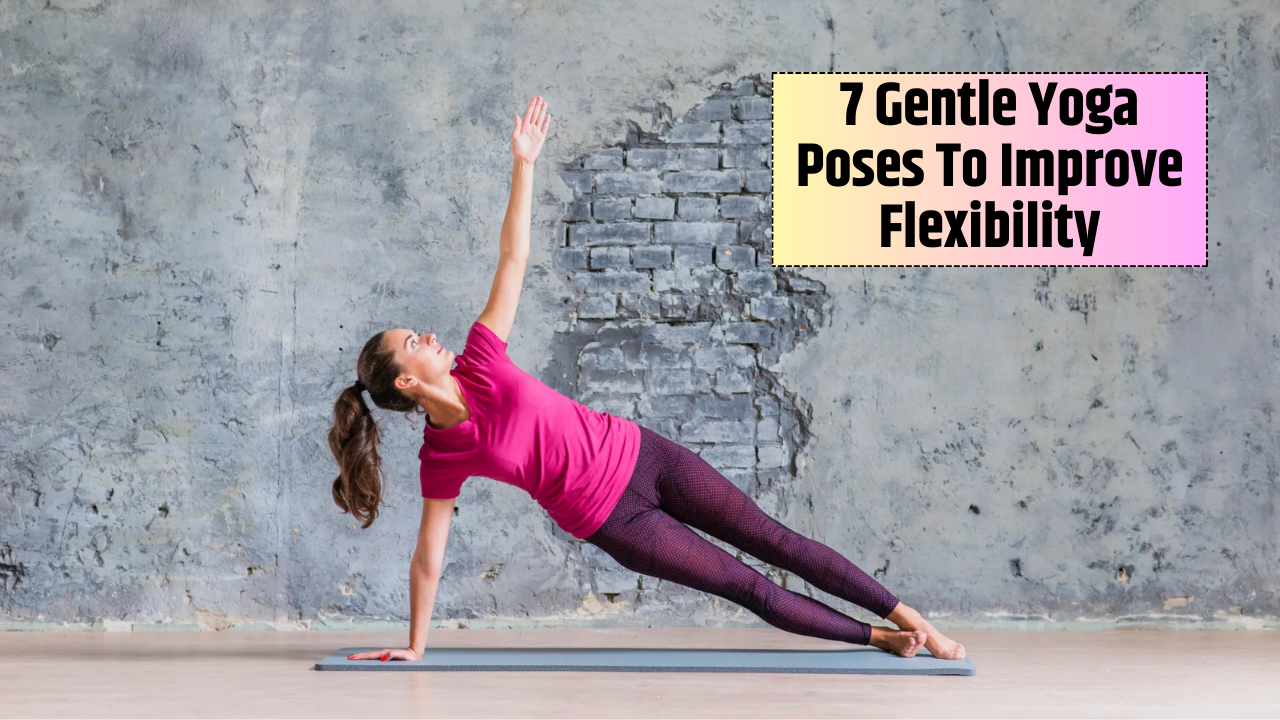

Somewhere around 40, the body starts sending quiet memos nothing dramatic, just subtle reminders that joints have opinions and muscles don’t bounce back the way they used to. You bend to pick something off the floor and feel a little pull. Getting up from a low chair suddenly takes a beat longer. Perfectly normal, doctors say. Flexibility naturally dips with age as tissues lose elasticity. The good news remarkably good news is that the body responds beautifully to gentle, consistent stretching. Yoga, especially the low-impact kind, can help reclaim mobility in ways that feel accessible rather than intimidating.
Here’s a ground-level look at seven easy yoga poses that people over 40 (and frankly, any age) can use to stay limber, mobile, and confident in everyday movement.
Cat-Cow Stretch
Think of Cat-Cow as the morning editorial meeting for your spine—simple, essential, and sets the tone for everything that follows. Hands under shoulders, knees under hips. Inhale: belly lowers, chest lifts. Exhale: spine rounds, chin tucks. Follow the breath for 8 to 10 rounds.
A folded blanket under the knees never hurts if you’re feeling the years—many folks do. The payoff is big: smoother spinal mobility, less stiffness, and a noticeable ease when you twist or reach later in the day. Anita, 47, told me that after two weeks of daily Cat-Cow, her morning back tightness practically disappeared.
Downward Facing Dog
Downward Dog tends to intimidate beginners, but it doesn’t need to be picture-perfect. From hands and knees, lift your hips into an inverted V. Your heels do not need to touch the floor—let that myth retire. Think length in the spine more than anything else.
Hold for 5 to 8 slow breaths. Everything from calves to shoulders gets a wake-up call. Raj, 52, mentioned that years of desk work left his hamstrings perpetually tight, and this pose slowly unlocked them.
It’s one of the most efficient “global” stretches you can do—especially if mornings feel stiff.

Standing Forward Bend
Forward folds do double duty: they stretch the back body and quiet the mind. Stand hip-width apart, hinge from the hips, and let the torso drape forward. Bend your knees as much as needed; the goal isn’t touching the toes but creating space in the spine.
Stay here for 20 to 30 seconds, breathing deeply. Many people prefer doing this in the evenings because it genuinely helps release the day’s load. If the floor feels ambitious, rest your hands on blocks or thighs. No shame. Only progress.
Seated Spinal Twist
Back stiffness around the waist area becomes more common after 40, especially for anyone sitting long hours. The Seated Spinal Twist encourages rotation in a joint that desperately needs it.
Sit tall, legs extended. Bend your right knee, place your foot outside the left thigh, inhale to lengthen the spine, then twist gently to the right. Hold for five breaths. Switch sides.
The key: stay tall—leaning backward is basically cheating your own spine. Many practitioners describe this twist as feeling “lighter” across the middle of the body. Some even say digestion improves because of the gentle abdominal compression.
Butterfly Pose
Hips are often the first area to stiffen with age, thanks to decades of desk work, driving, and general modern living. Butterfly Pose counters that narrowing.

Sit upright, bring the soles of your feet together, and allow your knees to fall outward. No pushing—just letting. Hold your ankles, breathe for about 30 seconds, and soften the inner thighs.
If the knees hover uncomfortably high, slip cushions under them. Regular practice often leads to smoother walking, better hip rotation, and fewer episodes of lower-back strain.
Low Lunge
Here’s a little-known fact: tight hip flexors mess with posture more than most people realize. After 40, they tend to shorten from too much sitting. Low Lunge gives them the stretch they’re begging for.
Step the right foot forward, lower the left knee, and align the front knee over the ankle. Lift the chest, hands on hips or overhead, and breathe for 5 to 8 slow counts. Switch sides.
Blocks or a chair give beginners extra balance. Many people report that after a few weeks, they stand taller and feel more stable while walking.
Child’s Pose
Every yoga session deserves an exhale, and Child’s Pose delivers exactly that. Kneel, sit on your heels, fold forward, and extend your arms. Or keep them by your sides—both are valid.

One minute here can decompress the spine, soothe the nervous system, and create the kind of physical relaxation that encourages deep, unhurried breathing. A pillow under the chest transforms it into a restorative retreat.
Most practitioners like closing with Child’s Pose because it resets everything—body, breath, and mood.
Improving flexibility after 40 isn’t about chasing extreme poses or pushing through discomfort. The wins come from slow, steady consistency—15 minutes a day, a handful of accessible poses, and the awareness to move at your own pace.
These seven stretches help loosen tight muscles, maintain joint health, and make everyday motions bending, walking, reaching—feel smoother. Over time, people report better posture, reduced stiffness, improved balance, and a renewed sense of physical confidence.
Give your body patience. Give it breath. And let flexibility return the way it always does—with quiet persistence and regular practice.
