
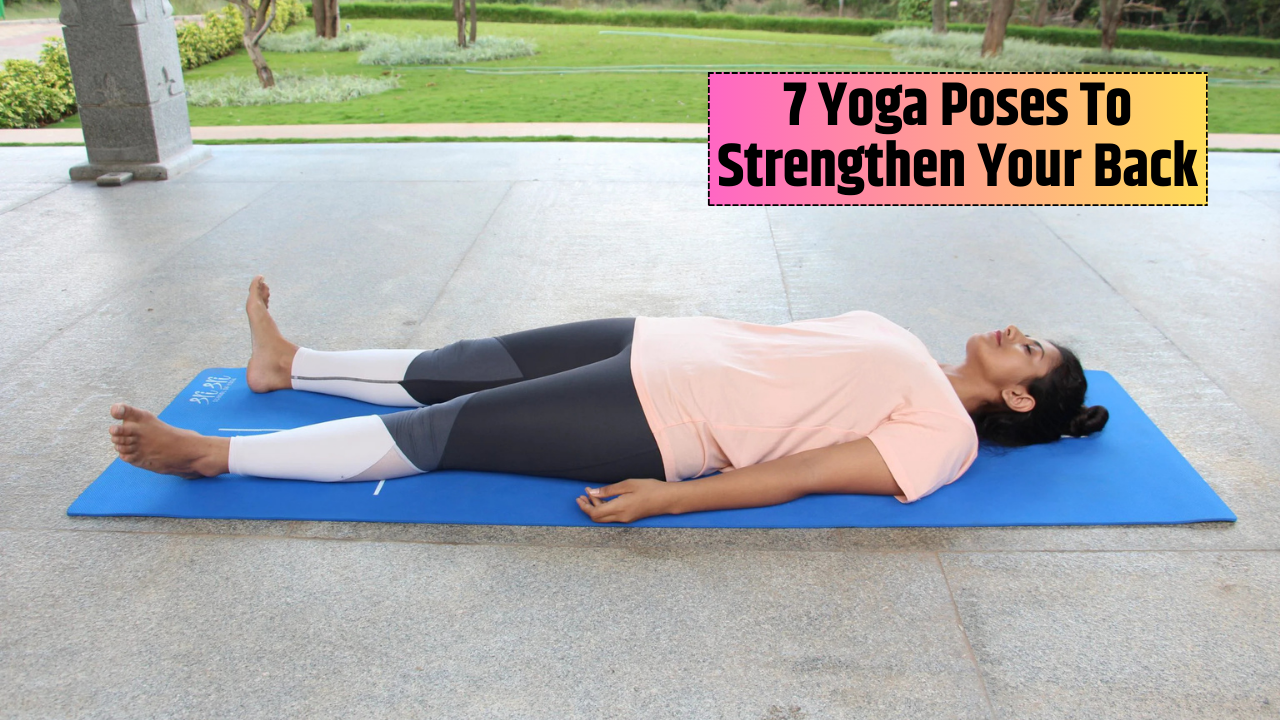

Back pain has, quite literally, become the quiet background noise of modern life. You hear it in the way people stand up from a chair, in the pause before they bend down, in the subtle hand placed on the lower back during long workdays. Long desk hours, odd postures, endless scrolling, and a general dip in daily movement all add up. I’ve met people convinced their discomfort was simply “how things are now,” only to see gentle strength work shift their entire experience within a matter of weeks.
Because here’s the truth: a strong back isn’t about aesthetics. It’s about posture, long-term spinal support, and the difference between moving freely and moving cautiously. Yoga offers one of the safest pathways into back strength—no sudden compressive forces, no equipment, no high-impact surprises. Just slow, intentional muscle engagement. The seven poses below help stabilize both the lower and upper back while improving flexibility and balance.
Move slowly. Breathe deeply. And let control matter more than intensity.
Cat-Cow (Marjaryasana–Bitilasana)
Start on hands and knees—wrists under shoulders, knees under hips. Inhale to arch the spine and lift the chest. Exhale to round the back and draw the chin in.
Cat-Cow is the warm-up that feels almost too simple—until you notice how much it wakes up the muscles running along the spine. It gently increases mobility, lubricates stiff joints, and preps the body for deeper strengthening. Spend about a minute flowing through each direction, letting breath set the rhythm.
Cobra Pose (Bhujangasana)
Lie face down, hands under shoulders, elbows tucked in. Press gently into the palms to lift your chest while keeping your lower ribs close to the mat.
Cobra strengthens the lower back in a controlled, safe way. The lift does not need to be dramatic. Think elongation rather than height. Hold for five steady breaths, then lower slowly, almost as if you’re rolling the spine back into the floor.
Locust Pose (Salabhasana)
Remain on your stomach. Arms alongside the body. Lift your chest, arms, and legs slightly off the mat.
Locust is the unsung hero of back strengthening. It activates the entire posterior chain: lower back, glutes, hamstrings, even the small stabilizers around the shoulders. It’s challenging without feeling punishing. Hold for five to eight breaths, keeping the neck neutral—no craning upward.
Bridge Pose (Setu Bandhasana)
Lie on your back, knees bent, feet hip-width. Press through the heels and lift the hips until the thighs and torso form a gentle slope.
Bridge builds strength in the lower back and glutes, two powerhouse muscle groups that protect the spine. Keep the knees from drifting outward and breathe calmly as you hold for five to eight breaths. Lower with precision.
Plank Pose (Phalakasana)
Come onto hands and toes, shoulders stacked directly above wrists, body forming one straight line.
Plank strengthens the core, upper back, and shoulders—three teams that work together to unload pressure from the lower spine. Hold for 20 to 40 seconds, keeping the breath smooth and the body firm. When done correctly, Plank feels like everything is working—but nothing is straining.
Sphinx Pose (Salamba Bhujangasana)
Lie on your stomach, prop up on your forearms, elbows under shoulders. Press down lightly and lift the chest.
Sphinx provides a milder back extension than Cobra, making it perfect for beginners or anyone managing sensitivity. It gently activates the lower back while encouraging the spine to lengthen rather than compress. Stay for six to eight slow breaths.
Child’s Pose (Balasana)
Kneel, sit back on your heels, and fold forward. Let the arms stretch ahead, and rest your forehead on the mat.
Child’s Pose is your cool-down, your release valve. It softens the lower back after strengthening work, lengthens the spine, and helps the nervous system settle. Stay as long as you like—this is where the body recalibrates.
Why Strengthening the Back Matters
The muscles surrounding your spine act like a natural scaffolding system. When they’re weak, the body compensates in ways that increase stress on the neck, hips, and lower back. Over time, this imbalance becomes discomfort—or worse, chronic stiffness.
Yoga builds strength through controlled holds and mindful breathing rather than rapid, repetitive strain. It teaches the back to support itself consistently, which is essential for long-term spinal health. When the back works as intended, posture improves, tension reduces, and movement becomes less cautious and more fluid.
How Often to Practice
Three to four sessions per week can create measurable improvements. You don’t need a long routine—15 minutes of focused practice often outperforms an hour of unfocused movement. Consistency shapes strength more than intensity ever will.
Tips for Safety
Avoid pushing through sharp pain.
Mild muscular effort is normal; joint discomfort is not.
Keep the core slightly engaged to support the spine in every pose.
Move between postures slowly—transitions matter just as much as the poses themselves.
Wrap-Up
A strong back is a quiet foundation for a better life. It makes lifting easier, sitting more comfortable, walking more efficient, and everyday movement far less dramatic. Yoga doesn’t demand equipment or complex setups—just a mat, some patience, and a willingness to move with intention. Over time, the spine feels more supported, tension fades, and the body begins to trust itself again.
FAQs
How quickly can yoga reduce back pain?
Many people notice relief within two to four weeks of consistent practice.
Can beginners safely practice these poses?
Yes these poses are gentle and suitable for all levels when done slowly and mindfully.
Is Plank necessary for back strength?
It’s highly effective because it trains the core and upper back, both essential for reducing lower back strain.
What if my back feels tight during these poses?
Mild tightness is normal, but sharp or shooting pain means you should stop or modify.
Can yoga replace physical therapy for back issues?
It can complement recovery, but persistent or severe back pain should be evaluated by a healthcare provider.
