
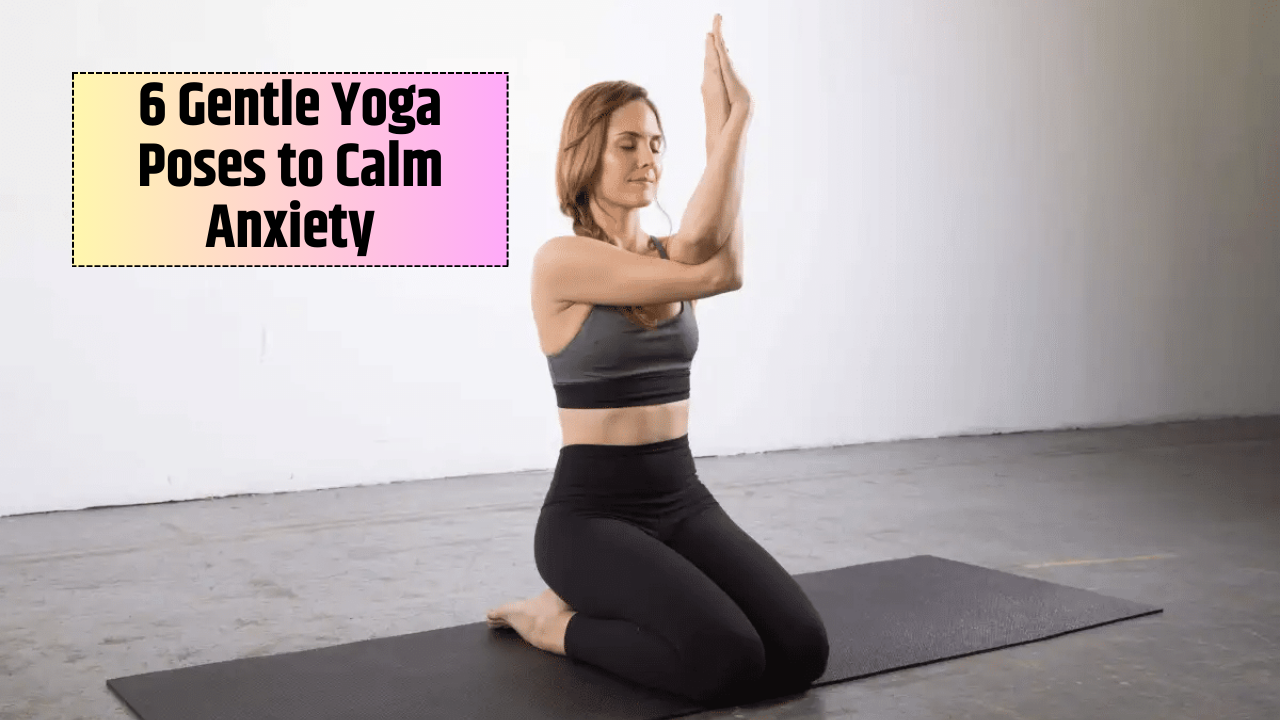

Anxiety has this uncanny way of slipping into ordinary moments right between emails, during a late-night thought spiral, or in that hollow pause before a big decision. It’s quiet but persistent, and over time, it chips away at your focus and energy. The thing is, your body often feels anxiety before your mind registers it: tight shoulders, shallow breathing, restless legs. That’s where slow, grounding yoga practices come in. They don’t fight anxiety head-on; they soften the edges, settle the breath, and coax the nervous system back into something resembling calm.
Below is a reporter-style look at six simple yoga poses that you can do right at home—no props, no fancy background—just slow movements designed to help your mind catch its breath.
Child’s Pose
There’s a reason yoga teachers keep returning to Child’s Pose—it triggers a natural sense of safety. Kneel down, bring your toes together, and sink back onto your heels. Fold forward, forehead to the mat, arms stretched out or resting by your sides. A minute or two here can feel like dropping your worries into a soft cushion.
Shoulders unclench, the back lengthens, and breathing deepens without trying too hard. Many people describe this posture as the closest thing to a mental reset button they’ve found. Add a pillow if the floor feels too far away—comfort is the whole point.
Cat-Cow Stretch
Stress often settles along the spine like a stiff overcoat. Cat-Cow helps peel that off. On hands and knees, arch the back on an inhale and round it on an exhale. It’s simple, rhythmic, and strangely comforting when done slowly.
People working long hours at a desk often report instant relief—shoulders drop, lower-back tension loosens, and the breath naturally lengthens. Eight to ten rounds can change the way your whole upper body feels.
Standing Forward Fold
Forward folds are like a quiet conversation with your nervous system—head down, spine long, knees soft if needed. Just let gravity do the work.
Five to eight deep breaths here can ease mental chatter and release the kind of tension that builds throughout the day. Many folks turn to this pose in the evening because it feels like wringing out stress before heading into the night.
Blocks or bent knees are perfectly fine; this is about relaxation, not reaching your toes.
Seated Forward Bend
Extend your legs, lengthen your spine, and hinge gently forward. No forcing. No collapsing. Just allowing. A 20–30 second hold can feel surprisingly grounding.
This pose draws your awareness inward—a rare experience in a world buzzing with alerts and notifications. Beginners often say it calms restlessness almost immediately. If your hamstrings protest, bend your knees or loop a strap around your feet.
Legs Up the Wall
If there were a list of most underrated yoga poses, this one would be near the top. Sit beside a wall, swing your legs up, and let your back settle into the floor. Stay for three to five minutes.
This simple inversion reduces tension, drains fatigue from the legs, and significantly slows racing thoughts. It’s a favorite bedtime ritual for countless people because it invites the body into deep relaxation without much effort.
Easy Seated Meditation Pose
Sit cross-legged (or on a cushion—or a chair; no rules here), rest your hands on your knees, and close your eyes. Inhale for four counts, exhale for six. Longer exhales signal your nervous system that everything is okay.
Three to five minutes of this breath-focused stillness can improve concentration, reduce anxiety, and build emotional resilience. Over time, your mind learns to return to calm more quickly, even during stressful moments.
Anxiety rarely disappears all at once, but small, consistent habits can nudge the mind toward ease. These six yoga poses offer a gentle way to unwind tension, deepen breathing, and anchor your attention when everything feels scattered. Ten to fifteen minutes a day is enough to make a noticeable shift.
Start slow. Let the breath lead. And trust that, with practice, these movements can become a dependable tool for reclaiming calm—even on your busiest days.
FAQs
How often should I practice these poses for anxiety relief?
Daily is ideal, but even a few times a week can noticeably reduce stress levels.
Can these poses replace therapy or medication?
They can support emotional well-being, but they are not a substitute for professional mental-health care when needed.
Is it normal to feel emotional during these poses?
Yes slow breathing and gentle stretching can release stored tension, which sometimes brings up emotions.
What time of day is best for these movements?
Evenings work well for relaxation, but mornings can set a calm tone for the day.
How long until I notice results?
Many people feel immediate relief, while long-term benefits usually appear after consistent practice for a few weeks.
