
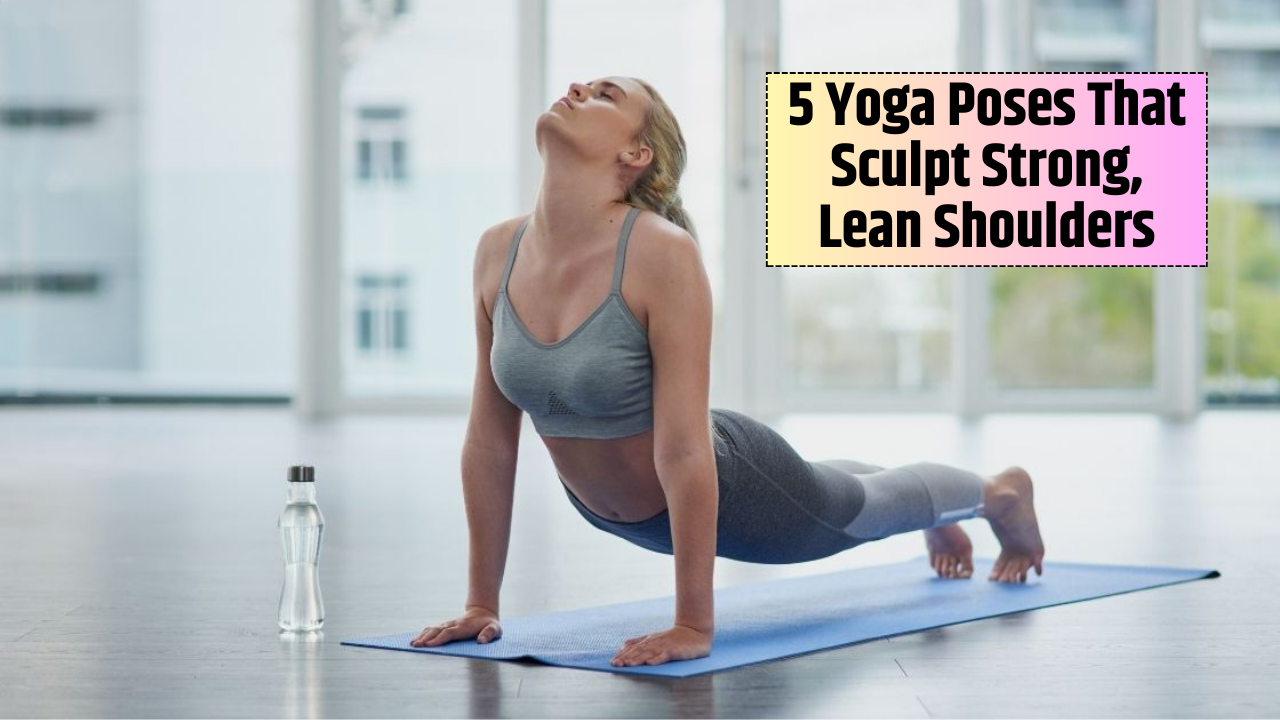

Strong, sculpted shoulders say a lot about a person long before they speak. They signal strength, steadiness, and the kind of posture that comes from taking care of your body rather than collapsing into the nearest screen. Spend enough time watching people work—from newsroom floors to coffee shops—and you’ll see the same pattern: rounded shoulders, tight necks, stiff upper backs. The digital slump is real. And yet, a focused shoulder routine can flip that script entirely.
Yoga, with its mix of slow holds and deliberate transitions, has become the quiet hero in this space. It doesn’t demand machines, plates, or the clang of metal. Just your body, your breath, and a bit of patience. The five poses below work the deltoids, triceps, and upper back while keeping the joints safe—a rare combination. Practiced three to four times a week, they deliver real, visible change.
Downward Facing Dog
Begin on your hands and knees, fingers spread wide, and lift your hips to create an inverted V. Ground your palms. Send your chest gently toward your thighs.
Downward Facing Dog often gets dismissed as a stretch, but don’t buy into that narrative. This pose is a sneaky strength-builder. Your arms support much of your weight, and the shoulders fire up as you press the floor away and widen across the upper back. Hold six to eight slow breaths. It’s supposed to feel active—almost like you’re pushing the earth down to rise a little taller.
Plank Pose
Shift forward until your shoulders sit directly over your wrists. Keep your core firm and your body in a straight, no-drama line from head to heels.
Plank is a newsroom favorite because it tells the truth immediately—no room to hide weak links. The shoulders stabilize, the arms fire, and the upper back works quietly in the background. The trick is not collapsing into the joints. Press the palms down and gently round between the shoulder blades. Hold 30 to 45 seconds, long enough to feel your body negotiating with gravity.
Dolphin Pose
Drop your forearms to the mat, elbows shoulder-width apart. Lift the hips high, similar to Downward Dog but supported on your forearms.
Dolphin is all business. It builds significant shoulder strength without punishing the wrists. You’ll feel the triceps, upper arms, and smaller stabilizers around the shoulder blades take charge. Stay for 20 to 40 seconds, breathing steadily. This is where you start to understand what “controlled discomfort” feels like in yoga.
Chaturanga
From Plank, lower your body halfway down—elbows tight to the ribs—pausing before you touch the floor.
Chaturanga targets the triceps and front shoulders with near surgical precision. Control matters more than depth. Even hovering for a few seconds delivers results. If the full version feels overpowering, drop your knees but keep the alignment sharp. Think of this as a slow descent rather than a fall.
Side Plank
Start in Plank, then rotate onto one hand and the outer edge of your foot. Stack your feet and lift your top arm as if you’re signaling confidence to the room.
Side Plank strengthens the shoulders while sharpening balance and core control. Keep your supporting arm strong—no sinking into the joint. Lift your hips to keep your body straight and energized. Hold for 20 seconds per side.
Why Yoga Sculpts Shoulders So Effectively
Yoga’s advantage is simple but powerful: isometric engagement. Instead of pumping out fast reps, you hold positions under tension. Muscles respond by building lean strength and endurance, which explains why yogis often have defined shoulders without ever touching a weight.
These poses work multiple muscle groups together. Shoulders don’t operate in isolation; they rely on the core, upper back, and stabilizers. Strengthening everything as one system improves posture and reduces injury risk. People who spend long hours at a desk often report fewer headaches, less neck strain, and better breathing as their shoulder strength improves.
How to Structure the Routine
A clean, short routine—perfect for early mornings or post-work decompression—might look like this:
| Step | Pose | Duration |
|---|---|---|
| Warm-Up | Downward Facing Dog | 6–8 breaths |
| Strength Block 1 | Plank Pose | 30–45 sec |
| Strength Block 2 | Chaturanga | 3–5 controlled reps |
| Deep Activation | Dolphin Pose | 20–40 sec |
| Stability Training | Side Plank | 20 sec each side |
| Reset | Child’s Pose | 30–60 sec |
Complete this sequence twice for a 15–20 minute session. Focus on slow, steady breathing and keep transitions clean. Yoga rewards patience more than power.
Tips for Shoulder Safety
Spread the fingers wide and press through the entire palm—not just the heel.
Engage the core to keep weight from dumping into the shoulders.
If discomfort shows up, shorten the hold time or use knee-down modifications.
Consistency beats intensity; strength builds quietly but steadily.
Over a few weeks, you’ll start noticing definition around the shoulders and a surprising lift in posture. Movement feels easier. Neck tension eases. And confidence—yes, that comes too.
Wrap-Up
Strong shoulders don’t happen by accident. They’re built with intention, repetition, and a willingness to slow down long enough to let the muscles do their job. These five yoga poses might look simple on paper, but practiced regularly, they reshape the upper body and the way you carry yourself through the world. That’s the real payoff—strength that shows up everywhere, not just in the mirror.
FAQs
How long before I notice stronger or more defined shoulders?
Most people see changes in 4–6 weeks with consistent practice.
Do I need yoga experience to start these poses?
No. All five poses are beginner-friendly with simple modifications.
Can yoga replace weighted shoulder workouts?
For functional strength and posture, yes. For heavy muscle mass, weights may add extra benefit.
Should I warm up before doing these poses?
Downward Dog serves as a warm-up, but gentle shoulder rolls or cat-cow movements help too.
What if my wrists hurt in Plank or Downward Dog?
Try shifting weight into the fingertips and engaging the core more. Dolphin Pose is also a wrist-friendly alternative.
