

A good night’s sleep can feel like gold these days especially when stress, screens, and long work hours stretch late into the evening. Across households in Cape Town, Johannesburg, Durban, even smaller towns where evenings move a little slower, people are turning to gentle yoga as a way to wind down. And it works. Slow, supported movement signals the body to shift gears, quiet the mind, and ease into a restful night. These five poses are simple, beginner-friendly, and surprisingly effective for anyone in South Africa trying to build a night-time relaxation ritual that actually sticks.
Why Yoga Helps You Sleep Better
Sleep specialists often talk about the “transition window” — that space between daily activity and rest where the body decides whether it’s staying alert or powering down. Yoga nudges that window toward calm. The combination of breath, slow movement, and gentle stretching lowers cortisol, releases muscular tension, and activates the parasympathetic nervous system, the part of the body responsible for rest and recovery.
Think of it as telling your body, “We’re done for the day.”
Child’s Pose: The Quiet, Grounding Reset
Ask any yoga instructor which pose melts stress the fastest, and Child’s Pose lands near the top every time. You kneel, sink your hips toward your heels, reach your arms out, and let your forehead drop. Suddenly the breath gets deeper, the shoulders soften, and the day feels a little less heavy.
This pose targets tension in the back, neck, and shoulders — the areas that tend to tighten first when stress builds. Holding the posture for a few minutes helps the nervous system slow down, making it a perfect gateway into an evening wind-down.
Legs Up the Wall: The Ultimate Unwind
If there were a competition for “pose that feels way easier than it should,” Legs Up the Wall would win hands down. You lie on your back and slide your legs vertically up the wall — that’s it. Yet this gentle inversion works wonders for circulation, especially after long days on your feet or hours spent sitting.
Blood flow improves, the legs feel lighter, and the nervous system receives a calming cue that bedtime is near. Many people report that this single pose alone transforms their pre-sleep routine.
Seated Forward Bend: Slow Down, Fold Inward
On the surface, Seated Forward Bend looks simple — extend your legs, hinge forward. But the magic is in the quiet it creates. As you fold, the hamstrings stretch, the spine lengthens, and the mind instinctively turns inward.
This pose naturally triggers relaxation responses in the body, helping reduce lower-back tension and stabilizing the breath. Practiced regularly, it becomes less about flexibility and more about creating space for stillness before sleep.
Happy Baby: Unwind the Hips, Lighten the Mind
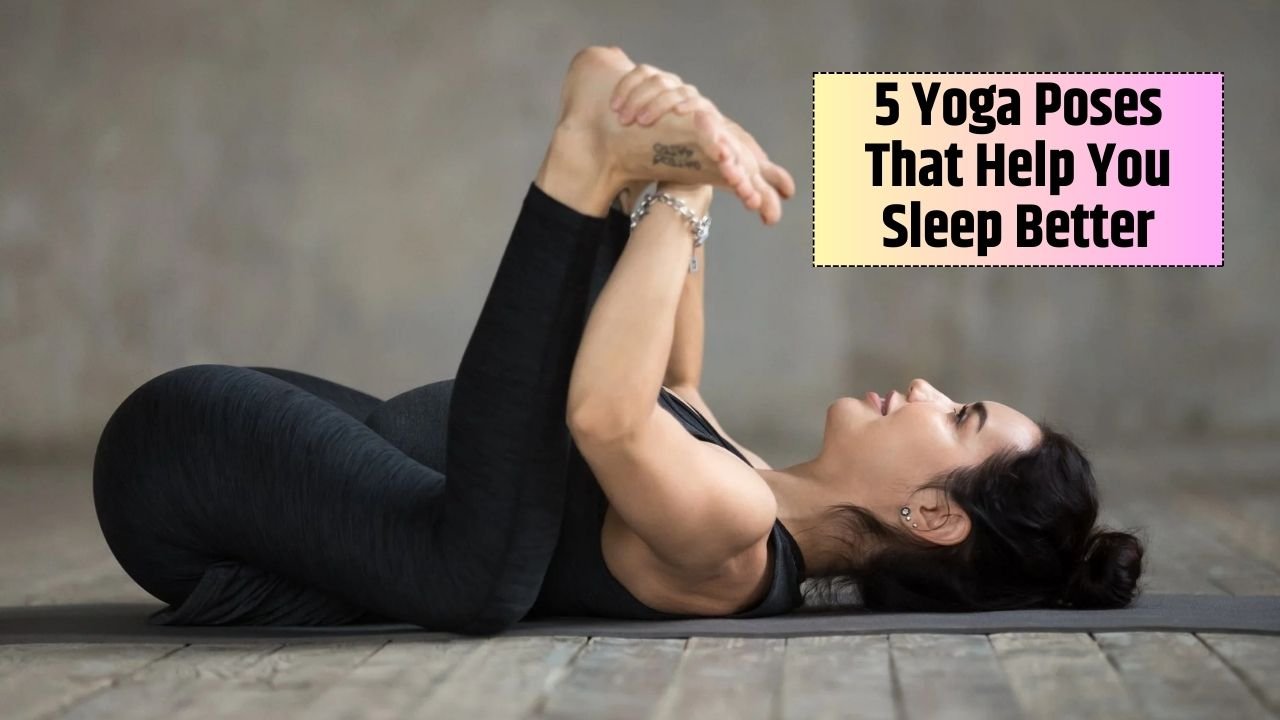
A playful name for a deeply restorative pose. Lying on your back, grabbing your feet or thighs, and letting your legs fall open gently releases the hips — a region that carries a surprising amount of daily stress. The rocking motion many people naturally fall into helps soften the lower body and brings a sense of emotional ease.
It’s grounding, calming, and ideal for quiet evenings when your body feels heavy from the day.
Reclined Bound Angle Pose: The Final Melt
Reclined Bound Angle Pose rounds out a night-time routine by inviting full-body relaxation. As you lie back with the soles of the feet together and knees dropping outward, the inner hips open gently while the chest broadens. It’s a deeply soothing posture that encourages slow breathing and tension release without effort.
Add a pillow under each knee, and it becomes one of the most comfortable pre-bed poses you can do.
Summary of the Best Yoga Poses for Sleep
These poses work together to target the areas where tension builds throughout the day — the back, hips, shoulders, and nervous system. By repeating them consistently, you create a bedtime ritual that helps the body switch off, sleep deeper, and wake more refreshed. Whether you’re unwinding after a long commute or calming a restless mind, these gentle stretches set the tone for a peaceful night.
Sleep-Focused Yoga Overview
| Yoga Pose | Benefits |
|---|---|
| Child’s Pose | Relieves tension, reduces stress |
| Legs Up the Wall | Improves circulation, reduces fatigue |
| Seated Forward Bend | Calms the mind, eases lower-back tension |
| Happy Baby Pose | Releases hips, supports deep relaxation |
| Reclined Bound Angle Pose | Softens entire body, promotes restful breathing |
FAQs
How often should I practice yoga before bed?
Ideally 20–30 minutes before bedtime, about 3–4 times a week.
Can yoga help with insomnia?
Yes. Gentle yoga reduces stress and anxiety, which are major contributors to sleepless nights.
Do I need special equipment for these poses?
No. A simple mat or soft surface is enough.
How long should I hold each pose?
Hold each pose for 3–5 minutes for maximum relaxation.
Is this routine suitable for beginners?
Absolutely. Every pose is beginner-friendly and easy to modify.
