
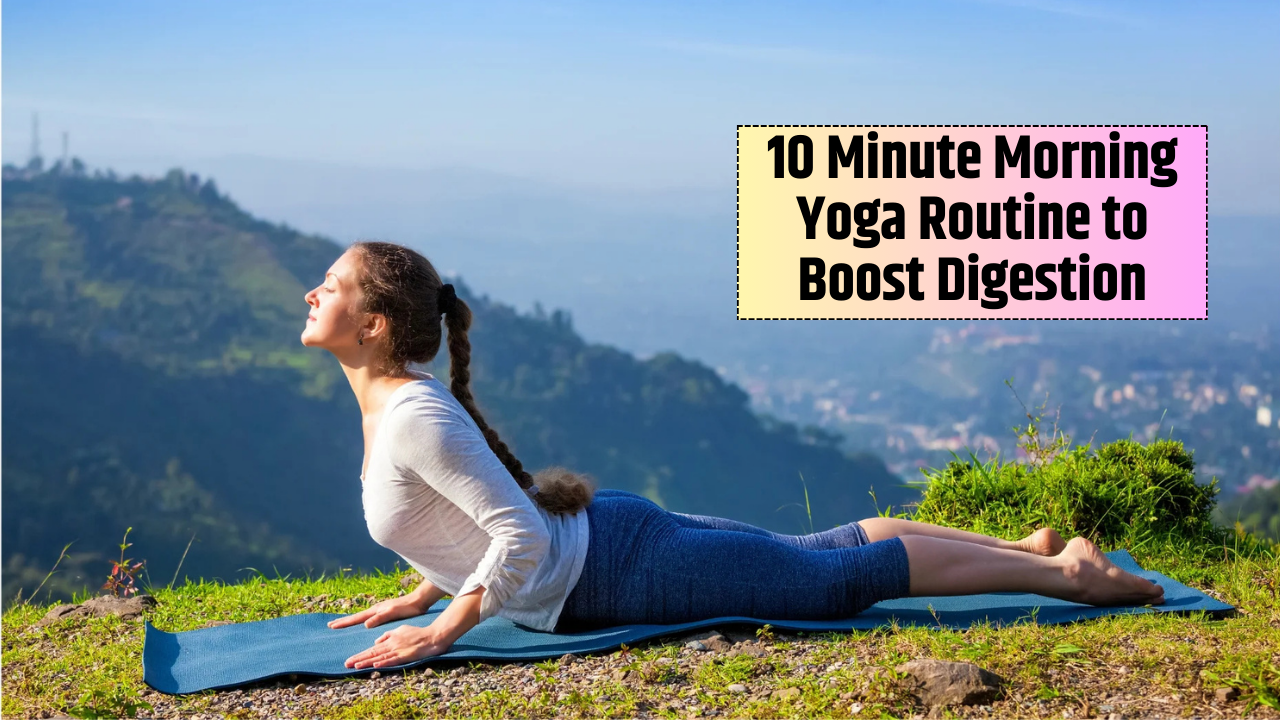

Digestive discomfort has this sneaky way of dimming your whole day. You eat a normal meal, and boom heaviness. A little bloat. That tight waistband feeling. I’ve been there too. Long desk hours, mind racing, coffee replacing water… and suddenly your gut feels like it’s moving through molasses. Here’s the thing most people miss: digestion isn’t just about food. It’s about movement. Breath. Nervous system tone. When your body stays frozen and your brain stays busy, your gut slows down.
Yoga steps in quietly. No drama. No fancy detox claims. Just slow, rhythmic compression and release around the abdomen, improved circulation, and a nervous system that finally exhales. These six beginner-friendly poses gently wake up digestive organs and calm stress pathways that directly affect gut function. Practice consistently, and the difference is real.
1. Cat Cow (Marjaryasana–Bitilasana)

4
Start on hands and knees, wrists under shoulders, knees under hips. Inhale, drop the belly, lift the chest — that’s Cow. Exhale, round the spine, draw the belly in, chin to chest — that’s Cat. Move slowly for about a minute.
Why it works? This rhythmic spinal flexion and extension gently massages abdominal organs. Think of it as internal circulation. Blood flow improves, fascia loosens, and trapped tension in the lower back releases. When the lumbar area softens, digestive motility often improves too.
Pro tip: Don’t rush. Sync breath to movement. If your breath is jerky, your nervous system stays tense.
2. Seated Forward Bend (Paschimottanasana)

Sit tall with legs extended. Inhale to lengthen the spine. Exhale and hinge forward from the hips. Hands can rest anywhere — shins, ankles, feet. No forcing.
Forward folds create gentle abdominal compression. This pressure can reduce bloating and encourage natural peristalsis — the wave-like contractions that move food through your intestines. Slow breathing here is key. Five to eight breaths is enough.
Don’t chase flexibility. Chase softness.
3. Supine Twist (Supta Matsyendrasana)

Lie on your back. Hug your right knee in. Guide it across your body to the left while your right arm extends outward. Keep both shoulders grounded as much as possible. Breathe. Switch sides after several slow breaths.
Twists create a squeeze-and-release action for abdominal organs. When you unwind, fresh blood flows back in. It’s subtle but powerful. Twists also stimulate the vagus nerve — a major regulator of digestion. Calm vagus nerve, calmer gut. Simple.
4. Wind Relieving Pose (Pavanamuktasana)
4
Lie down and hug both knees into your chest. Wrap your arms around your legs. Gently draw thighs toward your abdomen. Stay for five to ten breaths. You can rock side to side.
This pose directly compresses the ascending and descending colon. It may help relieve gas and mild cramping. It’s one of the simplest digestive reset buttons in yoga. No flexibility required.
Honestly? If you only did one pose on this list after a heavy meal (wait at least two hours), this would be it.
5. Bridge Pose (Setu Bandha Sarvangasana)

Lie on your back, knees bent, feet hip-width apart. Press through your feet and lift your hips. Keep thighs parallel. Option to interlace fingers under your back.
Bridge improves circulation through the abdominal cavity and strengthens posterior chain muscles weakened by long sitting. Better posture = less compression on digestive organs during the day. Hold five breaths. Lower slowly. Repeat once or twice.
If you sit for work, this one’s non-negotiable.
6. Child’s Pose (Balasana)

Kneel, sit back on heels, fold forward. Forehead rests down. Arms forward or alongside legs. Stay for at least a minute.
This posture gently compresses the abdomen while shifting your body into parasympathetic mode — the “rest and digest” state. Chronic stress keeps digestion suppressed. Balasana helps flip that switch.
Slow breath. Long exhale. Let the belly soften against the thighs.
How These Poses Support Digestion
Here’s a quick breakdown of what’s happening physiologically:
| Pose | Primary Action | Digestive Benefit | Best Time |
|---|---|---|---|
| Cat Cow | Spinal flexion & extension | Improves circulation to abdominal organs | Morning or mid-day |
| Seated Forward Bend | Abdominal compression | May reduce bloating | Evening |
| Supine Twist | Gentle organ massage | Supports motility & stress relief | Evening |
| Wind Relieving Pose | Direct colon compression | Gas relief | After long sitting |
| Bridge Pose | Pelvic lift & circulation boost | Reduces posture-related pressure | Anytime |
| Child’s Pose | Nervous system calming | Activates rest-and-digest response | Before bed |
Consistency beats intensity. Five to ten minutes daily can be more powerful than one long session a week.
The Stress–Digestion Connection
Let’s zoom out for a second. Your digestive system is wired directly to your brain via the gut-brain axis. When stress hormones stay elevated, blood flow shifts away from digestion toward muscles. Survival mode. Great if you’re running from danger. Not great when you’re just answering emails.
Slow yoga breathing lengthens the exhale, which stimulates parasympathetic activity. Translation: your body feels safe. And when it feels safe, digestion improves.
You can eat the cleanest diet in the world, but if you chew while scrolling angry news and thinking about deadlines, your gut won’t cooperate. Thoda sa slow down. Your stomach listens to your nervous system more than your macros.
Practice Guidelines
Keep these simple rules in mind:
- Practice on an empty stomach or wait at least two hours after meals
- Move pain-free — mild stretch is okay, sharp discomfort is not
- Breathe through the nose whenever possible
- Stay consistent for at least two weeks before judging results
Digestive health responds best to rhythm. Daily small inputs. Not extremes.
You don’t need a complicated gut protocol. You need circulation. Breath. A nervous system that isn’t constantly bracing. These six poses create a subtle internal massage that encourages your digestive system to do what it already knows how to do.
Start small. Five minutes in the morning. Or unwind with twists and Child’s Pose before bed. Let it be simple. Often, it’s these quiet daily practices that shift everything.
Your gut doesn’t need punishment. It needs patience.
