
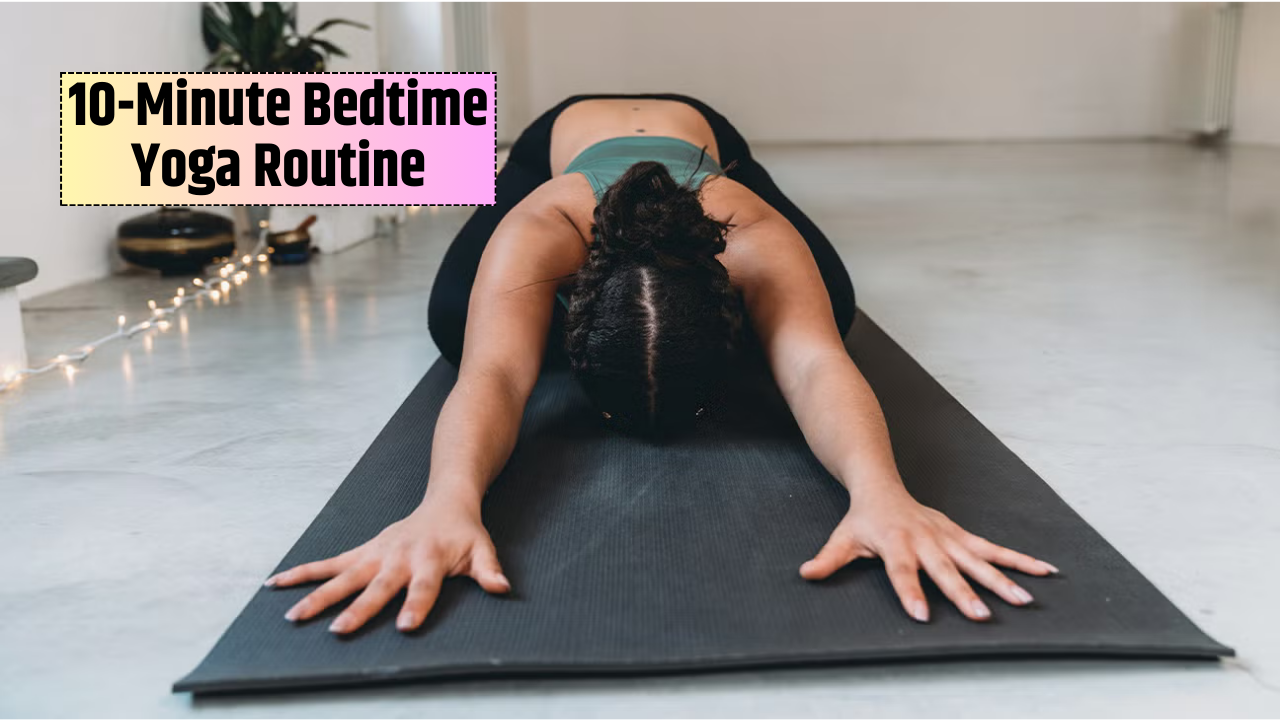

The nights are getting louder these days even when the room is quiet. People around the world are lying awake, watching the clock glow in the dark, wondering why sleep has suddenly become so complicated. Stress sneaks in. Workdays stretch late. Screens stay lit long after the mind should dim. And gradually, rest becomes something you chase instead of something that arrives naturally.
But here’s the part we often forget: the body wants to sleep. It’s built for rhythms, restoration, and nightly reset. Sometimes it just needs a nudge—a gentle reminder that the day is done. And for many, that reminder comes not from pills or elaborate rituals, but from a few minutes of slow, mindful movement.
Yoga isn’t a cure-all. But practiced softly, especially at night, it can calm the nervous system in a way that feels almost like exhaling after carrying too much for too long.
Why Bedtime Yoga Works Better Than Another Scroll Through Your Phone
Sleep doesn’t shut off the moment you lie down. The mind keeps spinning. The heart keeps racing. The muscles stay wound up from the day’s noise. Gentle yoga interrupts that momentum.
Slow stretches downshift your body. Long exhales signal safety. And as muscles release, the brain receives what scientists call “parasympathetic cues”—essentially, little internal messages that say, “You’re allowed to rest now.”
You don’t need flexibility. You don’t need gear. You don’t need a dedicated corner of your house with candles and incense. Just a floor, a bit of quiet, and the willingness to move slower than you did all day.
1. Child’s Pose: When You Need the Day to Let Go
Child’s Pose feels like retreating—not from responsibility, but from tension. It softens the spine, widens the breath, and quiets the mental chatter that keeps you tossing at 1 a.m.
How to Do It
- Kneel and sit back onto your heels.
- Fold forward, resting your forehead on the floor or a pillow.
- Let your arms stretch out or fall back beside you.
- Stay for 1–2 minutes, breathing slowly.
What It Helps
- Releases shoulder and back tightness
- Slows the heart rate
- Calms stress responses
- Grounds the mind in the present moment
It’s the yoga equivalent of someone placing a gentle hand on your shoulder and saying, “Breathe.”
2. Legs Up the Wall: The Fastest Way to Calm a Restless Body
If your legs feel heavy, achy, or overworked from the day, this pose feels like plugging yourself back into a charging station. The reversal of blood flow relaxes the lower body and settles the nervous system with surprising efficiency.
How to Do It
- Sit sideways to a wall.
- Lie back and swing your legs up the wall.
- Let your arms rest by your sides.
- Close your eyes for 5–10 minutes.
What It Helps
- Reduces swelling and exhaustion in the legs
- Eases lower-back discomfort
- Encourages deeper, slower breathing
- Settles stress
This is the pose people try once and think, “Why didn’t anyone tell me about this sooner?”
3. Reclining Bound Angle Pose: For Anxiety That Refuses to Switch Off
Some days your body is tired but your mind refuses to cooperate. This pose opens the hips—a place where emotional tension tends to linger—and invites slower breathing patterns that help quiet racing thoughts.
How to Do It
- Lie on your back.
- Bring the soles of your feet together.
- Let your knees fall open.
- Place one hand on your chest, the other on your stomach.
- Stay for 3–5 minutes.
What It Helps
- Lowers anxiety
- Deepens breath capacity
- Calms overstimulation
- Releases internal tightness
It’s the kind of posture that whispers instead of instructs.
4. Cat-Cow: When the Spine Feels Like It’s Holding the Day’s Stress
After hours at a desk—or a day hunched over a steering wheel—your spine stores tension like a vault. Cat-Cow opens that vault just enough to let the pressure escape.
How to Do It
- Start on hands and knees.
- Inhale, drop your belly, and lift your chest.
- Exhale, round your spine.
- Repeat 8–10 slow, controlled cycles.
What It Helps
- Loosens neck and back tension
- Smooths out breath rhythm
- Eases evening stiffness
- Prepares the nervous system for rest
This sequence is the transition signal your body didn’t know it needed.
5. Corpse Pose: The Moment the Body Finally Stops Fighting Sleep
This one seems almost too simple: lie down and do nothing. But true stillness is harder than it looks. Corpse Pose teaches the body how to fully surrender—something most of us forget how to do.
How to Do It
- Lie flat on your back, legs relaxed.
- Let your arms fall naturally.
- Close your eyes.
- Breathe without trying to control it for 5–10 minutes.
What It Helps
- Lowers cortisol (your stress hormone)
- Settles mental activity
- Signals the nervous system to rest
- Creates a bridge between wakefulness and sleep
It’s the closest thing yoga has to a “sleep button.”
A Simple 10-Minute Night Routine You Can Use Tonight
If time is tight—or you just want something you can commit to without excuses—try this:
| Pose | Duration |
|---|---|
| Cat-Cow Stretch | 2 minutes |
| Child’s Pose | 2 minutes |
| Legs Up the Wall | 3 minutes |
| Reclining Bound Angle | 2 minutes |
| Corpse Pose | 1+ minute |
Dim the lights. Set the phone aside. Let the breath lengthen. The goal isn’t to stretch deeper—it’s to slow down enough that your body recognizes bedtime when it arrives.
In a world that keeps asking you to do more, sleep asks you to do less. Bedtime yoga isn’t about performance or perfection; it’s about easing yourself out of the day’s momentum and back into your own body.
Little by little, consistent gentle movement can improve sleep quality, soften anxiety, clear mental fog, and help you wake feeling like yourself again—not drained, not wired, just restored.
Wherever you live, whatever your schedule looks like, you can create a night routine that invites rest instead of chasing it. Try these poses tonight. Let your body settle. Let your mind quiet. Let sleep come naturally.
FAQs
Do I need yoga experience to do these poses?
Not at all. These poses are beginner-friendly and safe for most people, even without yoga background.
How long before bed should I practice?
Anywhere from 10–30 minutes before sleeping works well.
Can yoga replace sleep medication?
Not necessarily. Yoga may help improve sleep quality, but always consult a healthcare professional before changing medication.
What if I feel too restless to do yoga?
Start with just one pose usually Legs Up the Wall or Child’s Pose helps settle the mind quickly.
Can these poses help with insomnia?
They can support relaxation and reduce anxiety, but chronic insomnia may require medical guidance.
